
I didn’t expect to start over at 60.
But here I am—redefining my life, relearning who I am, and discovering that my most surprising guide in this chapter isn’t a person… it’s AI.
For someone like me—raised before the internet, fluent in typewriters and rotary phones—artificial intelligence seemed like something better suited for Silicon Valley or sci-fi movies. And yet, here it is, sitting quietly in my browser, ready to brainstorm, organize, advise, and gently nudge me forward.
When life handed me a blank page—when I felt a pull to evolve further, to explore new possibilities beyond my current rhythms and roles—I turned to AI tools like ChatGPT, Google Gemini, and Microsoft Copilot to help me sketch out what a new version of me could look like.
And this is what they taught me…
1. You’re Never Too Old to Get Curious Again
Curiosity doesn’t retire. One afternoon, I asked ChatGPT to help me brainstorm ways to combine my love of organizing with my years of administrative experience. It gave me ideas for side businesses, content writing, even ways to automate household tasks. I found myself opening tabs to explore freelancing platforms, online courses, and productivity methods. It reignited the spark I hadn’t felt in years—not by giving me a rigid plan, but by showing me how many options still exist.
One of the most enjoyable and eye-opening ways I’ve used AI is to research what I call my “Dream Life.” I’ve asked ChatGPT and Gemini about different climates, alternative living options like tiny homes or cottage communities, cost-of-living comparisons, and the kinds of hobbies or side businesses that align with a slower, more intentional lifestyle. It’s not just wishful thinking—it’s actionable dreaming. AI turned vague desires into research projects with clarity, direction, and next steps. Suddenly, dreaming became a kind of planning.
2. Your Experience Still Matters—AI Just Helps You Build on It
I’ve always believed that office and administrative professionals need to evolve alongside technology. I never felt my skills would become irrelevant—instead, I saw AI as the next essential tool in our professional toolbox. Like learning how to use a fax machine back in the day or mastering Excel formulas later on, AI is just the next logical skill set to embrace.
Using Microsoft Copilot in Excel and Word confirmed that belief. I watched as routine tasks became streamlined—summarizing meeting notes, generating drafts of documents, even turning a plain spreadsheet into a dynamic dashboard using natural language prompts. These tools didn’t replace my value; they expanded my capacity.
AI doesn’t erase the past. It enhances what you already know, helps you move faster, and allows you to focus on the high-level work that truly makes a difference. It’s not a threat to experience—it’s a multiplier of it.
3. Clarity Comes When You Ask for Help (Even If It’s From a Chatbot)
I once sat at my kitchen table with a notebook full of half-formed ideas: Should I take a class? Volunteer? Start a blog? Move? I typed the whole mess into Gemini. It didn’t give me a checklist. Instead, it asked questions: “What matters most to you right now?” “What energizes you?” “What resources do you already have?” That shift—from trying to solve it all to reflecting first—helped me find clarity. It became easier to move forward with less fear and more intention.
Another incredibly useful way I use AI is to distill and implement the knowledge I gain from self-development books. When I’m reading a book like Think and Grow Rich or Atomic Habits, I’ll ask ChatGPT for a summary or “Cliffs Notes” version of each chapter. But I don’t stop there—I also ask for a list of practical action items based on what I’ve read. This has helped me take the ideas off the page and bring them into real-life practice. For example, after summarizing a chapter on habit formation, I created a morning ritual checklist that I still follow today.
This type of support makes reading and growing feel less overwhelming and more applicable. Instead of information piling up in my head, I now have clear, actionable ways to use it.
4. It’s Okay to Not Know Where to Begin
When I first began exploring the idea of starting fresh—refocusing on my personal goals, wellness, and future direction—I felt excited but also unsure where to begin. That’s when I decided to treat ChatGPT like a life coach. I started each morning by checking in and asking for help planning my day, setting goals, and reflecting on what mattered most.
ChatGPT began helping me identify realistic daily goals, create a wellness plan that aligned with my energy levels, and even encouraged me to take pride in small wins. I’ve used it to design weekly schedules that balance work, creativity, physical activity, and rest. One week, I focused on health: creating a carnivore meal plan, setting walking goals for me and my dogs, and getting suggestions for gentle stretches and meditations. Another week, I worked on career goals: updating my skills, identifying learning resources, and creating outlines for passion projects.
Using ChatGPT this way gave me structure without pressure, clarity without judgment, and helped me see that I already have the strength to design a life I love. I just needed a starting point—and a little encouragement.
5. Reinvention Isn’t a Solo Act
Reinvention can be isolating—especially when the world expects you to have it all figured out by now. AI gave me a sounding board. I talked through business ideas with ChatGPT, structured a daily routine that fit my rhythm, and got help writing difficult emails or decisions. It may be digital, but it made me feel less alone. In many ways, it became the brainstorming buddy I didn’t know I needed.
Beyond just conversation, I use AI tools to research questions both big and small. I ask for comparisons between ideas, suggestions for professional email wording, and even to walk me through complicated workflows or policies. When I’m faced with a work-related task that feels fuzzy—like creating a template, formatting a document, or outlining a new process—I ask ChatGPT or Copilot to help draft or structure it. Sometimes I follow its advice directly; sometimes I use it as a springboard to refine what I already know.
These tools have helped me create polished materials, identify better ways to manage time, and even come up with thoughtful ways to approach challenging conversations. It’s not just about having answers—it’s about having a collaborator who shows up whenever I need.
6. Self-Reflection Gets Easier With a Prompt
There’s something oddly therapeutic about journaling with AI. I often ask Gemini, “What should I reflect on today?” It might say: “What belief are you ready to let go of?” or “What does a good day look like for you now?” These prompts cut through the noise. One morning, I ended up writing an entire reflection on how I’ve always prioritized others over myself—something I’d never clearly seen until that question surfaced. That kind of insight feels like a gift.
AI has also become a kind of cheerleader in my life. When I check in with a recap of what I accomplished during the day—whether it’s completing a home task, staying on track with my wellness plan, or sticking to a routine—ChatGPT cheers me on. It responds with encouragement, offers tips to build on those wins, and often reminds me to celebrate the small steps. This kind of reinforcement helps me acknowledge my progress and maintain momentum. Having a tool that both listens and affirms has made a huge difference in staying positive and consistent.
7. You Can Create Structure Without Being Rigid
I love lists and systems. Always have. They help me stay grounded, focused, and productive. But I’ve also always known that life isn’t a checklist—and some days, the best plan is no plan at all. Especially now, I’ve come to value the balance between structure and freedom more than ever.
With Microsoft Copilot, I created weekly templates for tracking goals, appointments, movement, meals, and creative time. These plans help me feel organized and intentional—but they also leave room for shifts. Some days I simply take the day off and let go of productivity altogether. I might spend the day enjoying my dogs, Bella and Lucy, tidying up the house, or just sitting quietly with a journal. AI doesn’t shame me for those days—it adapts with me.
That flexibility is everything. It allows me to live with purpose and presence, creating space for both discipline and delight. AI helped me build structure with compassion, not pressure—and that has made all the difference.
8. Small Wins Add Up
AI encouraged me to stop waiting for a perfect moment. One Saturday, I asked ChatGPT for help organizing my pantry. It turned it into a step-by-step challenge: clear one shelf, toss expired items, make a shopping list, celebrate with a treat. It sounds small—but finishing that gave me the momentum to tackle three more projects that week. The tiniest victories became confidence builders.
Another small win that means a lot to me is simply taking my girls—Bella and Lucy—for a walk in the evening, even when it’s been a 100-degree day. When the sun begins to set and the temperature dips just enough, we head out for a quiet stroll. It might not seem like much, but on days filled with heat or hesitation, those short walks become powerful acts of care, consistency, and connection. AI helps me acknowledge moments like these—not as “just walks,” but as meaningful choices that contribute to my well-being.
9. The Learning Never Stops (and That’s a Good Thing)
I’ve always loved to learn, but I didn’t expect AI to become my favorite teacher. I’ve explored concepts like Stoicism and minimalism through Gemini. I asked it to summarize articles, suggest book lists, even guide me through breathing techniques. It helps me learn the way I want to—curious, self-paced, and rooted in what matters to me now. And it’s comforting to know there’s always something new to discover, no matter my age.
10. Starting Over is Not the Same as Starting from Scratch
This realization changed everything. I’m not building a brand new identity—I’m weaving everything I’ve lived through into something more aligned. AI didn’t erase my past; it helped me reframe it. When I looked at my resume through ChatGPT’s lens, it highlighted my adaptability, emotional intelligence, and creative problem-solving—qualities I had overlooked. It helped me see that starting over is really about starting forward—armed with wisdom, softness, and strength.
💬 Your Turn
Are you starting over in some area of your life—work, identity, purpose, or creativity?
Have you used AI to brainstorm, reflect, or organize your thoughts?
If not, would you like to try?
👉 Leave a comment below or send me a message. I’d love to hear what you’re learning in this chapter. 🌿💜
💪 AI Tools Mentioned in This Post
- ChatGPT – for writing, organizing, and reflecting
- Google Gemini – for quick insights, creative ideas, and guidance
- Microsoft Copilot – for working smarter in Word, Excel, and more

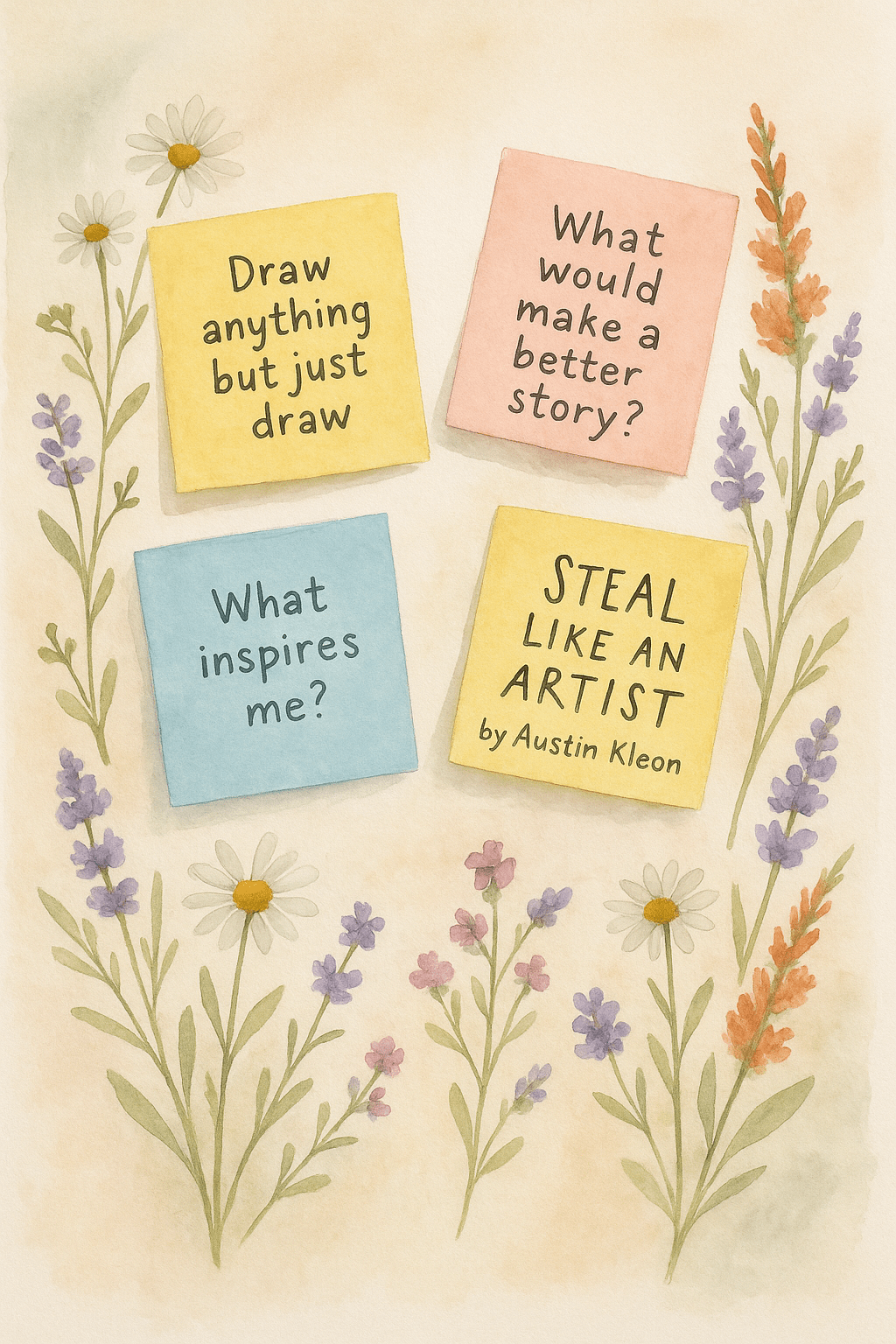

 Wildflower & Lavender Notes
Leave a comment